
The historical evolution of gambling a journey through time and culture
The Origins of Gambling
The origins of gambling can be traced back thousands of years, reflecting a fundamental aspect of human culture. Archaeological findings indicate that the practice of wagering has been part of society since ancient civilizations. The earliest known evidence of gambling comes from China, where tiles dating back to 2300 BC were used for a rudimentary game of chance. This highlights that humans have long sought ways to test their luck and skills against one another, making platforms like DeeSpin Bonuses particularly enticing for modern players.
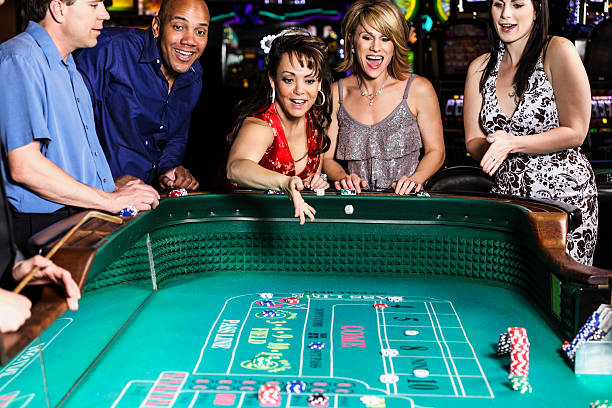
In ancient Rome, gambling evolved significantly, becoming a popular pastime among the elite and common folk alike. The Romans engaged in various forms of betting on gladiatorial contests, chariot races, and even the outcomes of political events. This integration of gambling into social activities illustrated its role in entertainment and its acceptance in various societal layers. The Romans’ affinity for games of chance laid the groundwork for future gambling practices in Europe.
As time progressed, gambling transitioned from simple games to more structured forms. By the Middle Ages, games such as dice and card games became popular in Europe. These games not only served as entertainment but also reflected the culture and values of the societies in which they thrived. As trade routes expanded, the influence of gambling spread across different cultures, creating a rich tapestry of gaming traditions worldwide.
Gambling in the Age of Enlightenment
The Age of Enlightenment in the 17th and 18th centuries marked a significant evolution in gambling, particularly in Europe. This period emphasized reason and individualism, leading to the establishment of the first casinos. The Casino di Venezia, founded in 1638 in Italy, is considered the world’s first official casino. This establishment revolutionized gambling by providing a dedicated space for various games, creating a regulated environment that attracted gamblers seeking entertainment and social interaction.
During this era, the concept of risk management began to emerge in gambling. As games became more structured, the mathematics of betting started to gain attention. The development of games like roulette and blackjack brought new excitement and complexity to gambling, making it not only a game of chance but also one of strategy. This transition attracted a more educated class of gamblers who were interested in the analytical aspects of betting.
Gambling also became intertwined with the emerging economy, as the rise of the bourgeoisie meant more disposable income for leisure activities. This period saw the growth of lottery systems, which provided funding for public projects while also enticing people with the promise of wealth. The cultural acceptance of gambling grew, with literature and art often depicting it as a glamorous endeavor, further embedding it into societal norms.
The Modern Casino Revolution
The 19th century ushered in a new era for gambling with the establishment of more sophisticated casinos and gaming laws. The development of cities like Monte Carlo transformed the gambling landscape, turning casinos into luxurious destinations for the wealthy. The Monte Carlo Casino became synonymous with elegance and high-stakes gaming, attracting celebrities and aristocrats from around the world. This era marked the transition of gambling from mere entertainment to a status symbol among the elite.
With the spread of the casino culture, the introduction of gaming regulations became essential. Governments recognized the potential economic benefits of legalized gambling, leading to the establishment of regulatory bodies. This resulted in a safer and more organized gambling environment, fostering a sense of trust among players. Furthermore, innovations such as slot machines introduced new forms of gambling that appealed to a wider audience, diversifying the options available to gamblers.
The advent of technology in the late 20th century further revolutionized the gambling experience. The introduction of electronic gaming machines and video poker changed the dynamics of casinos. Gamblers were no longer limited to traditional table games, as new and exciting options emerged. This technological advancement attracted a younger demographic, reinvigorating the gambling industry and expanding its cultural reach.
The Digital Age and Online Gambling
The turn of the millennium marked a significant transformation in the gambling landscape with the rise of the internet. Online casinos began to emerge, offering players the ability to gamble from the comfort of their homes. This new medium not only made gambling more accessible but also allowed for a broader range of games and betting options. The convenience of online gambling led to a surge in popularity, with millions of players engaging in various games across the globe.
Online gambling also introduced innovative features such as live dealer games, which bridge the gap between physical and virtual gaming experiences. This technology allows players to interact with real dealers through video streaming, enhancing the realism of online gambling. Additionally, the implementation of secure payment systems has made online gambling safe and reliable, further boosting its appeal among players.
The regulatory landscape for online gambling has also evolved, with many countries implementing laws to govern online casinos. This has led to the establishment of reputable gaming authorities that ensure fair play and responsible gambling practices. As a result, players feel more secure participating in online gambling, contributing to its rapid growth and acceptance within modern culture.
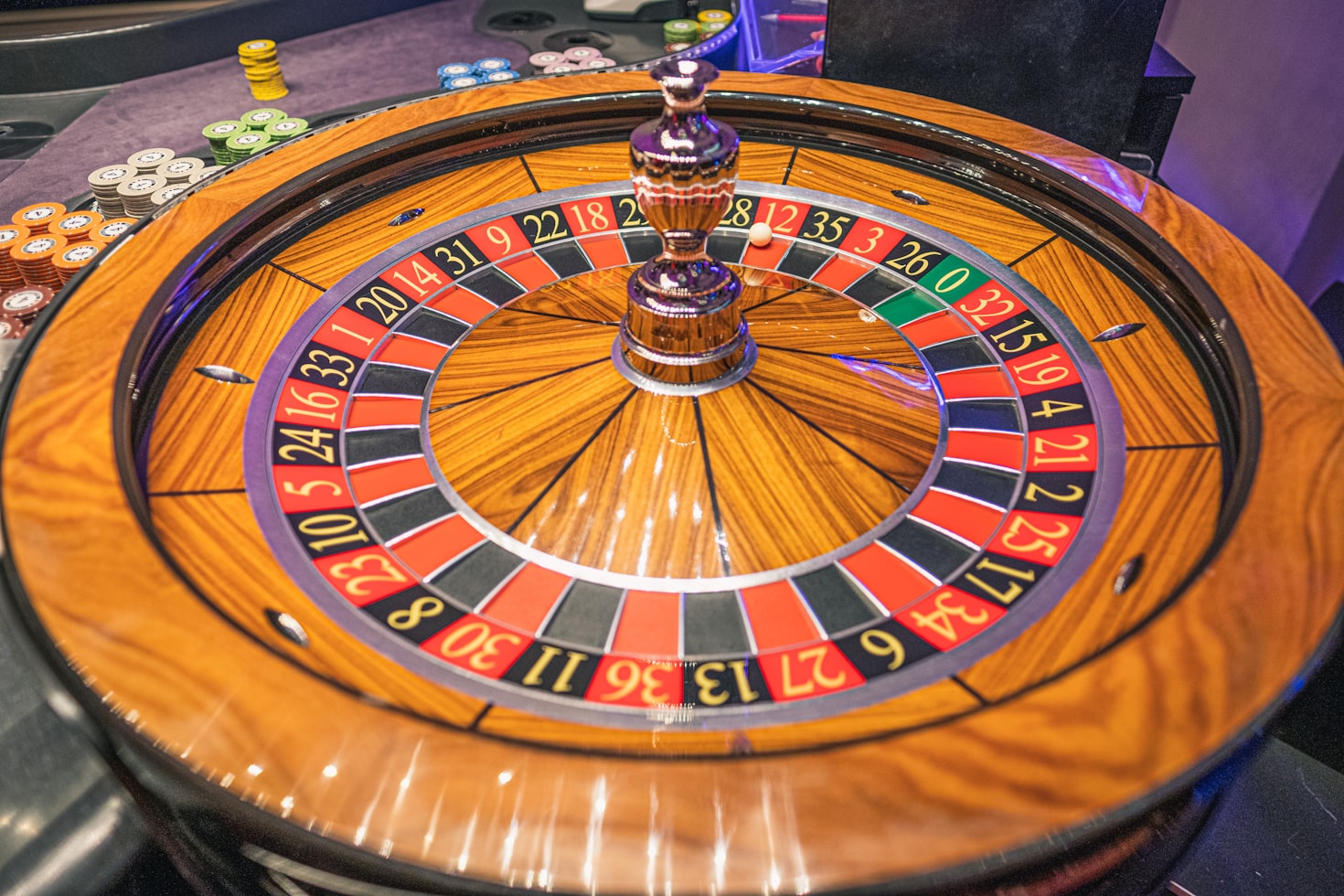
DeeSpin: The Future of Online Gambling
DeeSpin is at the forefront of the online gambling revolution, specifically designed to cater to the needs of Australian players. With a user-friendly interface, DeeSpin offers a wide variety of games, including slots and table games, providing an engaging experience for players of all levels. The platform’s commitment to security and customer support ensures that players can enjoy their gaming sessions without concerns about safety or assistance.
One of the standout features of DeeSpin is its generous welcome package, which includes substantial bonuses and free spins. This approach not only enhances the gaming experience but also allows players to explore various games with increased opportunities to win. Ongoing promotions such as reload bonuses and cashback offers further demonstrate DeeSpin’s dedication to providing value and excitement for its players.
As online gambling continues to evolve, platforms like DeeSpin are essential in shaping the future of the industry. With its focus on quality, variety, and player satisfaction, DeeSpin represents a significant step in the ongoing journey of gambling through time and culture, ensuring that both new and experienced players find their place in this dynamic environment.